
Protective Coatings Built for Timber and Sensitive Materials
Wood & Specialized Substrates in Indianapolis for historic homes and surfaces requiring encapsulation
Moisture causes wood siding to rot, swell, and split, especially in Indiana where humidity remains high through summer and fall. Rhino Shield of Indiana applies moisture-resistant coatings to wood, timber cladding, and specialty substrates including asbestos-containing materials that require protective sealing rather than removal. The coating forms a waterproof membrane that stops moisture from penetrating the wood grain, which is the primary cause of decay, warping, and insect activity in aging exterior wood surfaces.
Preparation for wood substrates involves repairing split boards, replacing sections with severe rot, stabilizing loose trim, and cleaning all surfaces to remove mildew and tannin stains. Once repairs are complete, the wood is sealed with a primer that penetrates the grain and blocks moisture movement, then the ceramic coating is applied in multiple layers to build a thick, flexible barrier. For asbestos or other specialty materials, the coating encapsulates the surface without disturbing fibers, providing a safe alternative to costly abatement procedures.
Request a specialized substrate evaluation to determine whether your wood or aging exterior materials are candidates for protective coating application.
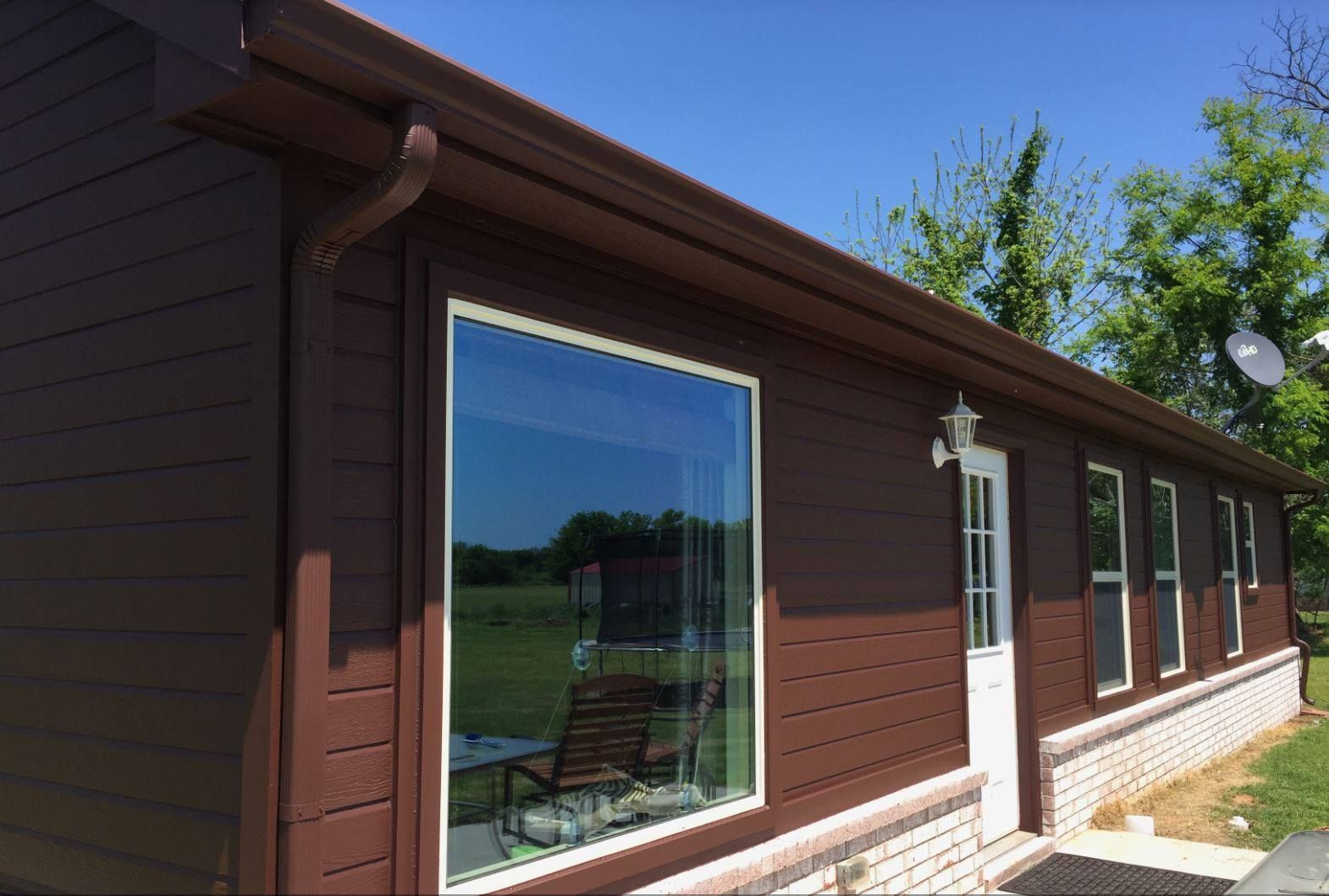
Why Moisture Protection Extends Wood Lifespan
Wood absorbs water when left unprotected or when paint fails, and that moisture triggers rot, fungal growth, and dimensional changes that cause boards to warp or pull away from fasteners. The coating creates a waterproof seal that stops this cycle, keeping the wood stable and dry even during extended periods of rain or snow. This protection is especially important for rural structures, barns, and historic Indianapolis properties where wood siding or trim has been in place for decades and replacement would compromise architectural character.
After coating, you'll notice that water beads off the surface instead of soaking in, wood stops swelling and shrinking with seasonal humidity changes, and the substrate remains firm rather than soft or spongy when pressed. The coating also eliminates the need for frequent repainting, which damages wood over time as layers build up and trap moisture beneath. Rhino Shield of Indiana tailors the preparation and application process to each substrate type, ensuring proper adhesion whether the surface is rough-sawn timber, smooth planed wood, or a composite material.
The coating will not reverse rot that has already compromised structural integrity, so damaged sections must be replaced during preparation. It also does not address insect infestations that have already started, though it does prevent future moisture intrusion that attracts wood-boring pests.
Common Questions About Wood and Specialty Coatings
Property owners with wood siding or older exterior materials often ask about preparation requirements and how the coating handles different substrate conditions.
What happens during substrate evaluation before coating?
All surfaces are inspected for rot, insect damage, loose boards, and moisture intrusion, with repairs completed and moisture content tested to confirm the wood is dry enough to accept the coating system.
How does the coating protect wood from Indianapolis humidity?
The waterproof membrane prevents moisture from entering the wood grain, which stops the swelling, shrinking, and rot cycle that occurs when untreated or poorly painted wood is exposed to high humidity and seasonal rain.
Can the coating be applied to asbestos siding without removal?
Yes, the coating encapsulates asbestos-containing materials by sealing the surface, eliminating the health risks and costs associated with abatement while restoring appearance and extending the lifespan of the existing siding.
Why is wood preparation more detailed than vinyl or metal?
Wood is porous and dimensionally unstable, so all loose material must be scraped away, splits and cracks filled, and the surface primed to seal the grain before the topcoat can bond properly and create a moisture-resistant barrier.
What types of wood structures benefit from this coating?
Historic homes, barns, timber-frame buildings, and properties with cedar, pine, or hardwood siding all benefit from the moisture protection and extended lifespan that the coating provides compared to traditional paint systems.
Rhino Shield of Indiana completes all necessary repairs and stabilization work before applying coatings to wood or specialized substrates. Schedule a property assessment to review preparation steps and protection options for your Indianapolis exterior surfaces.