
Brick Sealed While Allowing Vapor Movement
Brick Coating & Protection in Indianapolis for properties with aging brick requiring moisture resistance and appearance updates
Advanced coatings seal brick surfaces against water intrusion while maintaining the breathability that prevents trapped moisture from causing spalling and deterioration. Homeowners and property managers in Indianapolis choose this service when brick has become outdated in color, shows surface erosion from weather exposure, or allows water penetration that leads to interior dampness and mold growth. Rhino Shield of Indiana applies coating systems formulated specifically for brick, which differ from standard masonry paints that peel and trap moisture because they lack the flexibility and permeability that brick requires.
The process begins with inspection of mortar joints and brick condition, followed by cleaning to remove dirt, mildew, and efflorescence, repairs to damaged areas, and surface conditioning that prepares the brick to accept the coating. The coating is then applied in multiple layers, with each layer penetrating the brick surface and building a protective barrier that resists peeling while allowing moisture vapor to escape.
Request a brick coating consultation to evaluate your property's brick condition and coating options.
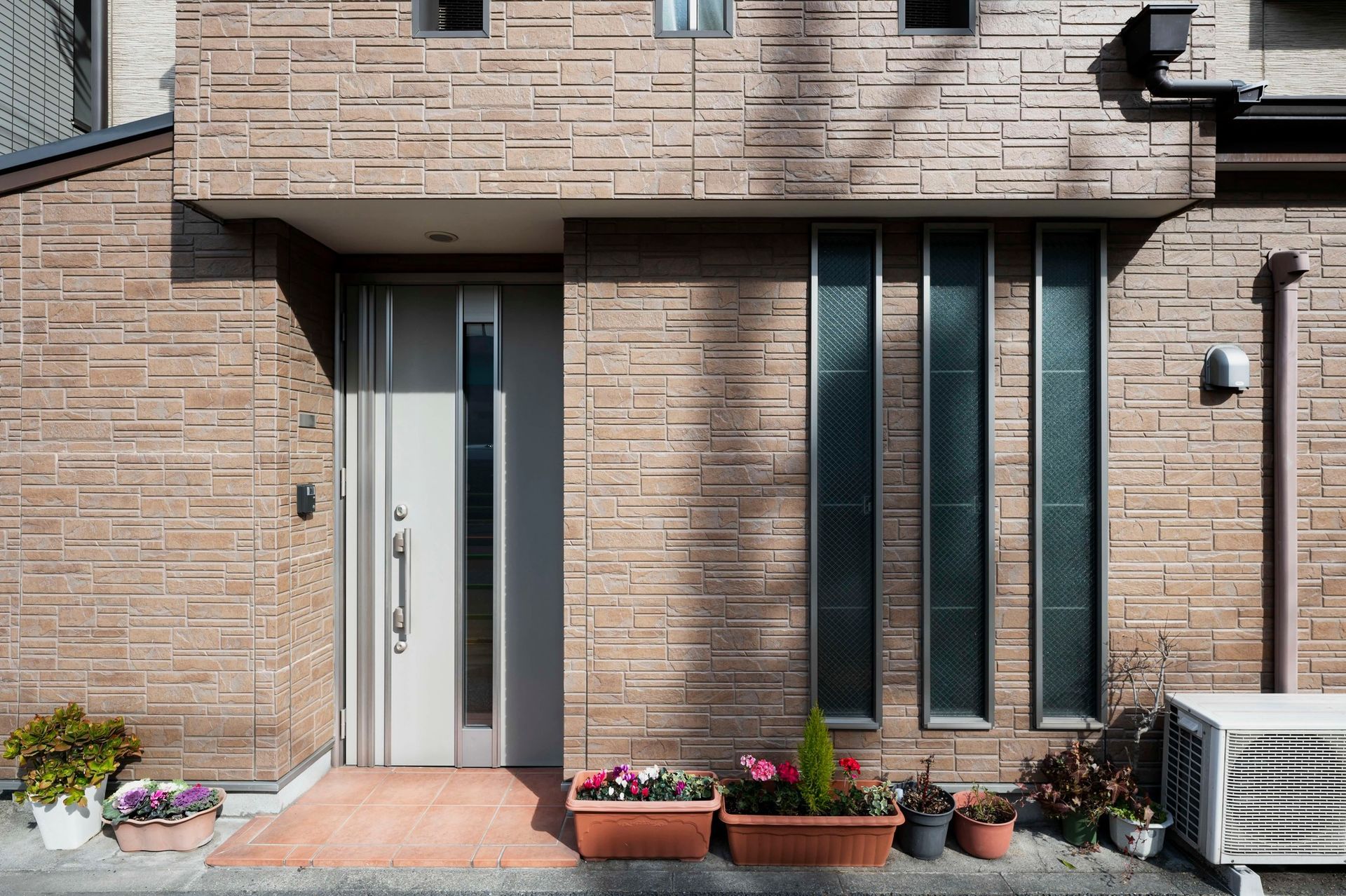
How Brick Coatings Address Common Problems
Brick absorbs water during rain and snow events, and in Indianapolis, freeze-thaw cycles cause that absorbed water to expand inside the brick, leading to surface spalling where the face of the brick flakes off. Coatings prevent this damage by sealing the surface so water cannot penetrate, while still allowing moisture vapor from inside the wall to escape outward. This balance is critical because brick walls often contain moisture from interior humidity or groundwater, and trapping that moisture behind a non-breathable coating causes pressure buildup and coating failure.
After coating, your brick exterior no longer shows the white salt stains, surface erosion, or water streaking that indicates ongoing moisture problems. The brick maintains a consistent color without the fading that occurs when UV radiation breaks down the clay surface, and mold or mildew growth does not establish itself because the coating resists biological colonization. Water runs off the surface instead of soaking in, which protects both the brick and the interior wall cavity from moisture intrusion.
The coating also provides an option for changing brick color on properties where the existing brick is dated or does not match the owner's preferences. Unlike paint, which sits on top of brick and peels as moisture escapes from below, these coatings bond to the brick surface and flex with temperature changes, preventing the cracking and delamination common with traditional masonry paint. The system reduces maintenance by eliminating the need for repeated sealing or repainting, and it extends the life of the brick by stopping water-related deterioration.
Brick Coating Considerations
Property owners evaluating brick coating systems usually want to understand how the coating will perform and what the process involves.
What is the difference between brick coating and masonry paint?
Brick coatings are formulated to penetrate and bond with the brick surface while remaining breathable, allowing moisture vapor to escape. Standard masonry paints sit on the surface, trap moisture, and peel within a few years as hydrostatic pressure builds behind the film.
How does the coating protect brick during Indianapolis winters?
The coating seals out liquid water, preventing the saturation that causes freeze-thaw damage when water inside the brick expands as it freezes. By keeping water out of the brick, the coating eliminates the spalling and surface deterioration that occur during repeated freeze-thaw cycles.
What preparation is required before coating brick surfaces?
Mortar joints are inspected and repointed if deteriorated, loose or damaged brick is repaired, the surface is cleaned with solutions that remove efflorescence and organic growth, and the brick is conditioned to ensure proper coating adhesion. Previous failing coatings or sealers must be removed before the new system is applied.
Why does brick coating require less maintenance than traditional paint?
The coating bonds chemically to the brick and remains flexible, so it does not crack or peel as the brick expands and contracts with temperature changes. It also resists mildew growth and UV fading, which means the surface stays clean and maintains color without frequent touch-ups or repainting.
What types of brick benefit from protective coatings?
Older brick that shows surface erosion, brick with moisture intrusion problems, brick that has faded or become discolored, and brick on properties where the owner wants to update the exterior appearance all benefit from coating systems designed for breathability and durability.
Rhino Shield of Indiana inspects your brick surfaces to identify damage, moisture issues, and areas requiring repair before coating, then recommends a coating system based on your brick's condition and your goals for appearance and protection. Schedule a consultation to review your brick exterior and receive a detailed estimate for coating your property.