Preparation That Determines Coating Longevity
Surface Inspection & Preparation in Indianapolis for properties requiring adhesion testing and substrate repairs
Coatings fail when applied over contaminated, unstable, or improperly prepared surfaces, regardless of product quality or application skill. Surface inspection and preparation conducted by Rhino Shield of Indiana identify moisture intrusion, substrate damage, and adhesion barriers before any coating is applied, ensuring the surface is clean, dry, and stable enough to support long-term bonding. Indianapolis properties with aging siding, masonry, or wood exteriors often have hidden moisture problems, loose panels, or layers of failing paint that must be addressed during preparation to prevent premature coating failure.
The inspection process includes moisture testing to confirm substrates are dry, adhesion testing to evaluate existing coatings, and structural assessment to identify repairs needed before preparation begins. Once issues are documented, preparation involves power washing to remove dirt and mildew, scraping to eliminate loose paint or coatings, repairing damaged sections, caulking gaps and seams, and priming bare substrates to create a uniform bonding surface. Each step is completed in sequence, with drying time allowed between stages to prevent moisture from being trapped beneath the new coating.
Schedule a professional surface inspection to document current conditions and receive a detailed estimate that includes all necessary preparation work before coating begins.
What Proper Preparation Includes and Why It Matters
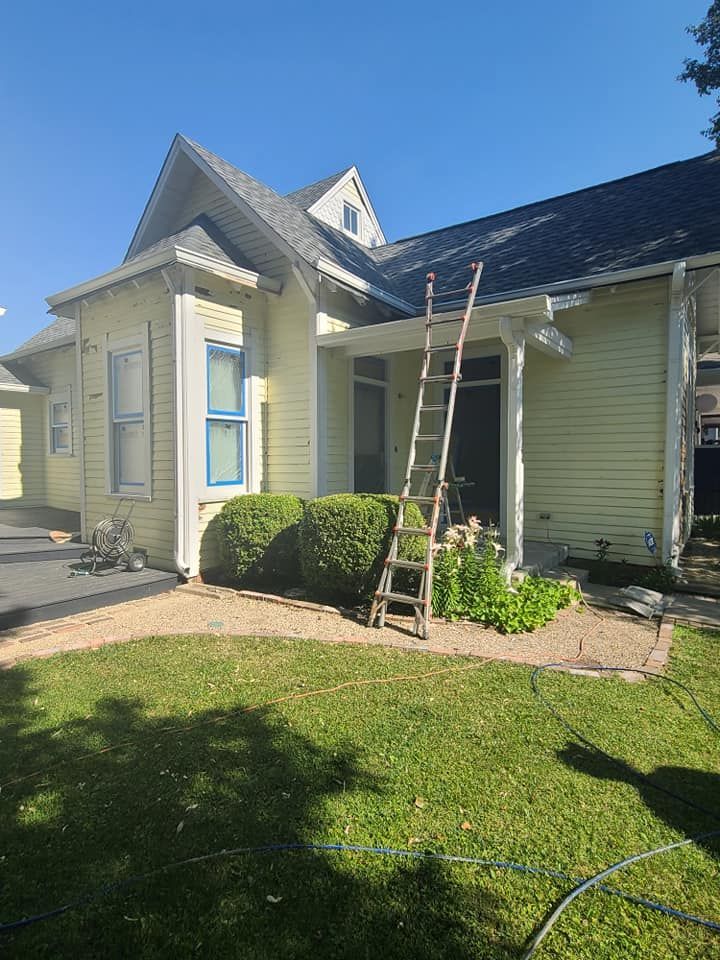
Power washing removes surface contaminants, but it does not eliminate loose paint, repair substrate damage, or seal cracks where moisture enters. Scraping removes failing coatings that would delaminate and take the new coating with them, and caulking seals transitions and joints where water typically penetrates and causes bonding failure. Priming bare wood, masonry, or metal creates a consistent surface that improves coating adhesion and prevents tannin bleed, rust staining, or efflorescence from migrating through the topcoat. Indiana's humidity and seasonal moisture make thorough preparation critical, as any moisture trapped beneath the coating will cause blistering and delamination within months.
After preparation is complete, surfaces will be clean, smooth, and free of loose material, with all cracks sealed and repairs cured to full strength. You will see uniform color after priming, with no darker or lighter patches indicating contamination or poor adhesion. Rhino Shield of Indiana documents preparation steps with photos and notes, providing a record of the work completed and confirming that the substrate is ready for coating application.
Preparation does not fix structural issues such as foundation movement, insect damage that has compromised framing, or water intrusion from roof or gutter failures. Those problems require separate repairs by specialized contractors before surface preparation and coating can proceed.
What to Ask About Preparation and Inspection
Property owners frequently ask how preparation differs across substrate types and what inspection processes reveal about exterior condition before coating projects begin.
What does moisture testing involve during surface inspection?
Moisture meters are used to measure water content in wood, masonry, and other substrates, identifying areas where moisture levels exceed acceptable thresholds and must dry further or require repairs to stop ongoing water intrusion.
Why is adhesion testing important before applying new coatings?
Adhesion tests determine whether existing coatings are bonded well enough to remain in place or must be removed, preventing the new coating from delaminating when the old coating fails underneath it.
How does preparation differ for wood versus vinyl or masonry?
Wood requires scraping, sanding, and priming to seal the grain, vinyl needs cleaning and stabilization without abrasion, and masonry requires crack filling, efflorescence removal, and pore sealing to create a uniform surface.
What repairs are typically completed during preparation in Indianapolis?
Loose siding panels are reattached, rotted wood sections are replaced, cracks in stucco or masonry are filled with flexible sealant, and all gaps around windows, doors, and trim are caulked to prevent water intrusion.
Why does proper preparation take longer than the coating application itself?
Each step must be completed fully and allowed to dry or cure before the next step begins, and rushing preparation compromises adhesion, traps moisture, and leads to coating failure that requires costly repairs or reapplication.
Rhino Shield of Indiana prioritizes preparation quality over speed, completing each step correctly before moving forward with coating application. Arrange a property inspection to review your exterior condition and discuss preparation requirements specific to your Indianapolis structure and substrate type.