Coatings That Outlast Paint by Years
Exterior Painting Alternatives in Indianapolis for properties facing frequent repainting and coating failure
Traditional paint peels, cracks, and fades because it forms a thin film that cannot flex with substrate movement or resist moisture penetration over time. Ceramic coating systems applied by Rhino Shield of Indiana are eight to ten times thicker than paint, creating a durable membrane that bonds chemically to the substrate and resists the expansion, contraction, and UV exposure that cause standard paint products to fail. Indianapolis properties repainted every five to seven years accumulate significant long-term costs, and each new paint layer traps more moisture beneath the surface, accelerating deterioration rather than preventing it.
The coating process involves thorough surface preparation to remove failing paint, clean contaminants, and repair substrate damage, followed by application of a thick ceramic layer that forms a waterproof, UV-resistant barrier. Because the coating bonds at the molecular level, it moves with the substrate during temperature changes without cracking or peeling at edges and seams. This flexibility is critical in climates like Indiana's, where daily temperature swings during spring and fall cause painted surfaces to expand and contract repeatedly, breaking down the paint film within a few years.
Compare coating systems to repainting costs during a consultation to evaluate which approach offers better value based on your property's condition and maintenance goals.
Why Coating Thickness and Bonding Change Performance
Paint fails because it lacks the thickness to bridge substrate imperfections and the flexibility to move without cracking, and its mechanical adhesion weakens when moisture seeps between the paint and the surface. Ceramic coatings eliminate these failure points by creating a thick, elastic barrier that seals the substrate completely and bonds chemically rather than relying on surface texture to hold the coating in place. This bonding method means the coating will not delaminate even when the substrate expands or contracts, and its thickness provides impact resistance that prevents chipping and abrasion damage in high-traffic areas.
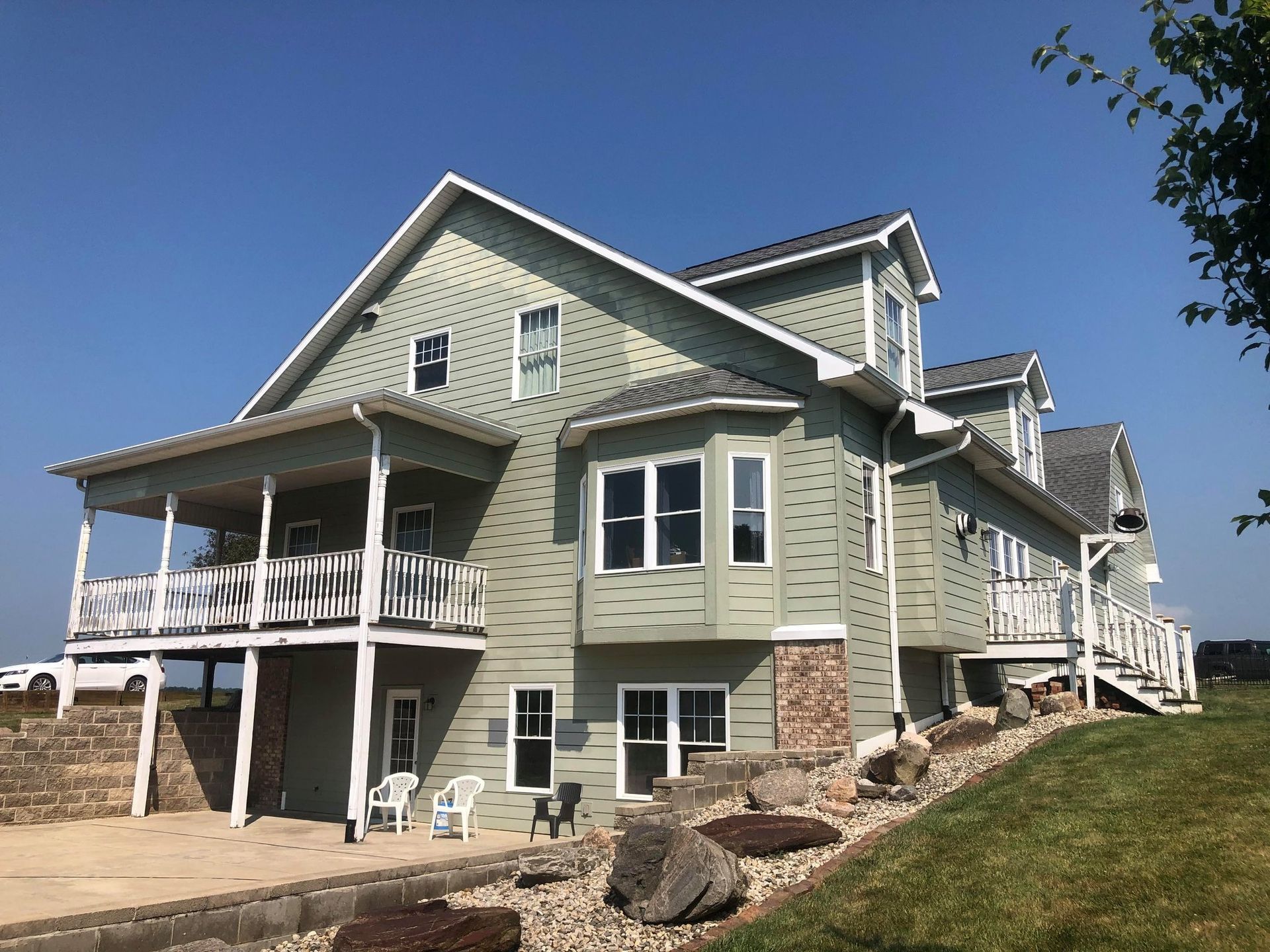
After coating application, your property will maintain consistent color without fading, water will bead off rather than soaking into the surface, and you will not see cracking or peeling around trim, corners, or fastener points. The coating also improves energy efficiency by reflecting more solar heat than standard paint, which reduces cooling costs during Indianapolis summers. Rhino Shield of Indiana provides warranty coverage that reflects the coating's extended lifespan, offering protection that far exceeds what is available with conventional paint products.
Coating systems do not fix substrate problems such as rotted wood, rusted metal, or crumbling masonry, and they require proper surface preparation to perform as intended. Skipping preparation steps results in adhesion failure regardless of coating quality, which is why detailed cleaning, repairs, and priming are completed before any coating is applied.
Answers to Questions About Coating Systems Versus Paint
Homeowners and commercial property owners often want to understand how coating performance justifies the cost difference compared to repainting and what factors affect long-term value.
How long do ceramic coatings last compared to exterior paint?
Ceramic coatings typically last 20 to 25 years without reapplication, while standard paint requires repainting every five to seven years, making the coating system more cost-effective over the property's lifespan despite higher initial investment.
What makes coating systems more weather-resistant than paint?
The coating's thickness creates a continuous waterproof membrane that blocks moisture penetration, and its flexibility allows it to expand and contract with the substrate during temperature changes without cracking or losing adhesion.
Why do coatings reduce maintenance costs over time?
You eliminate the recurring expense of repainting, pressure washing to remove mildew buildup, and repairing peeling or cracking surfaces, which saves both labor costs and the disruption of having contractors return to the property every few years.
Can coating systems be applied over existing paint in Indianapolis?
Yes, as long as the existing paint is stable and well-adhered, though all loose or peeling paint must be removed during preparation to ensure the coating bonds directly to the substrate in those areas.
What factors should property owners consider when comparing options?
Evaluate total cost over 20 years, frequency of reapplication, warranty coverage, weather resistance in Indianapolis conditions, and the impact of repeated repainting on substrate health and property disruption.
Rhino Shield of Indiana walks property owners through side-by-side comparisons of coating and painting options, including detailed breakdowns of preparation requirements, application processes, and long-term maintenance expectations. Request an estimate to see how coating systems compare to your current repainting schedule and costs.