Protection Designed for Long-Term Durability
Residential Ceramic Coating Installation in Indianapolis for homes requiring a durable alternative to repeated repainting
Rhino Shield of Indiana applies residential ceramic coating systems to exterior surfaces throughout Indianapolis, creating a protective barrier designed to last significantly longer than traditional paint. Homeowners choosing this service typically face frustration with frequent repainting cycles, weather-related fading, or the need for a more durable solution on high-exposure surfaces. The ceramic coating forms a thicker protective layer that withstands Indianapolis temperature swings, UV damage, rain exposure, and humidity without the peeling or chipping common in standard paint systems.
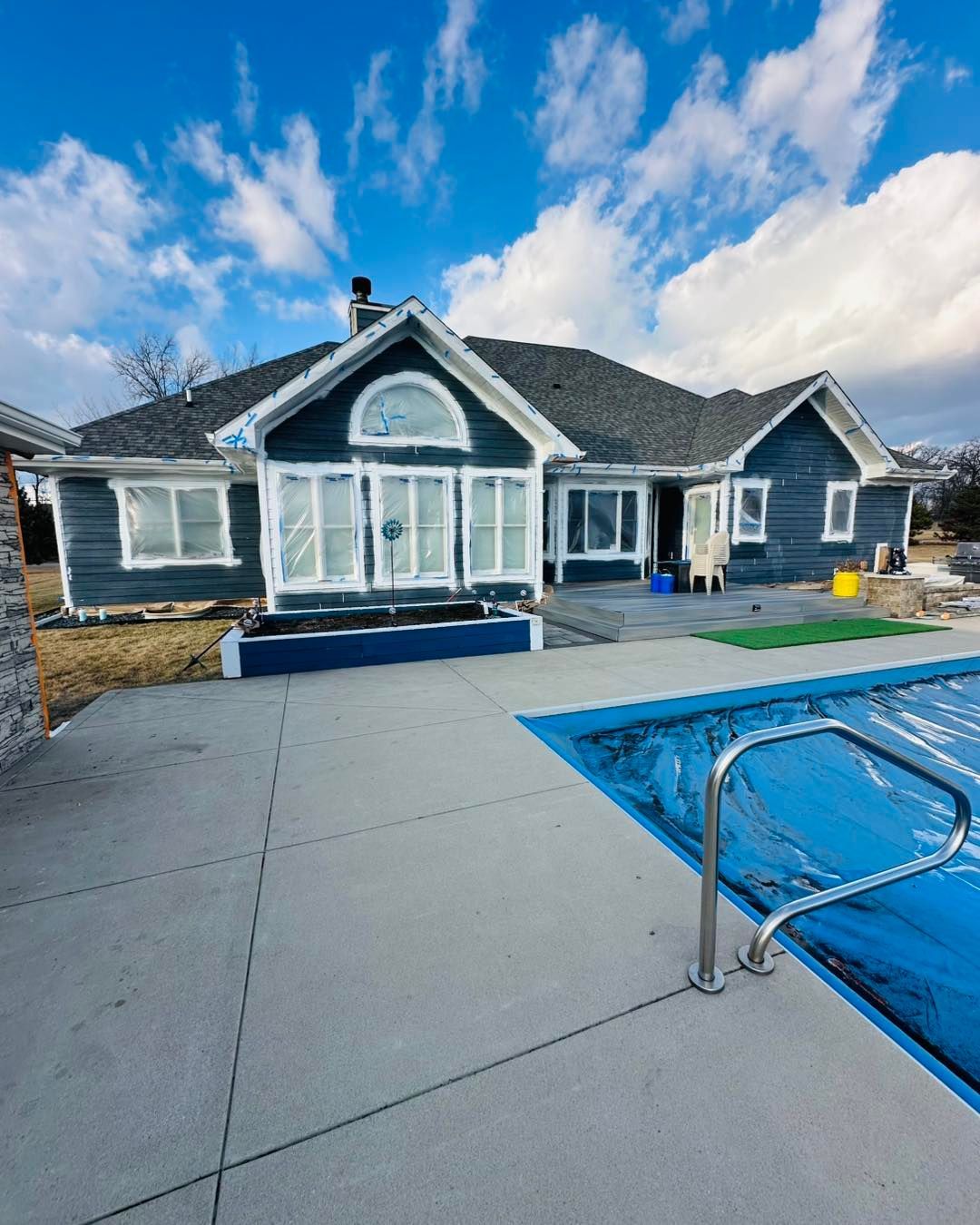
The coating process begins with thorough surface preparation, including repairs to damaged areas, complete cleaning to remove contaminants, and conditioning to ensure proper adhesion. The ceramic coating is then applied using precision techniques that build thickness and coverage beyond what standard paint can achieve. This system resists mold growth, retains color without fading, and reduces heat absorption, which improves energy efficiency during Indianapolis summers.
Schedule a property evaluation to review your exterior surfaces and receive a detailed coating recommendation.
What the Coating Process Accomplishes
The ceramic coating creates a barrier approximately eight to ten times thicker than traditional paint, filling micro-cracks and pores in the substrate while forming a flexible, weather-resistant surface. This thickness allows the coating to expand and contract with temperature changes without cracking, which is critical during Indianapolis winters when freeze-thaw cycles stress exterior materials. Proper surface preparation removes loose material, repairs substrate damage, and ensures the coating bonds directly to clean, stable surfaces rather than failing paint layers.
After installation, you will notice that your exterior no longer shows the chalking, fading, or streaking that occurs with standard paint after a few years of sun and rain exposure. The coated surface sheds water more effectively, preventing moisture intrusion that leads to rot, mold, or interior damage. Colors remain consistent without the gradual dulling that happens when UV radiation breaks down conventional paint pigments. The coating also resists staining from mildew and organic growth, which means less frequent cleaning and no need for power washing every season.
The system works on a variety of substrates including wood siding, fiber cement, stucco, masonry, and metal, though each material requires specific preparation steps. Coating thickness and application techniques adjust based on substrate porosity and existing surface condition. Properties with significant sun exposure on southern or western walls benefit most from the UV-blocking properties built into the ceramic formulation.
What Homeowners Typically Want to Know
Indianapolis homeowners considering ceramic coating systems often have questions about the process, durability expectations, and how the system performs compared to traditional painting.
What preparation work happens before the coating is applied?
The process includes repairing damaged wood, stucco, or siding, removing loose or failing paint, cleaning all surfaces with specialized solutions to eliminate mildew and contaminants, and priming areas that need extra adhesion support. This preparation phase determines how well the coating performs over the years.
How does the coating handle Indianapolis freeze-thaw cycles?
The ceramic coating remains flexible at low temperatures, allowing it to expand and contract with the substrate during temperature swings without cracking or delaminating. This flexibility prevents the spalling and peeling that occurs when rigid coatings cannot accommodate seasonal movement.
What maintenance does the coating require after installation?
You will need to rinse the surface occasionally to remove dust and pollen, but the coating does not require scraping, sanding, or repainting. Mildew resistance is built into the formulation, so organic growth does not establish itself on the surface the way it does on traditional paint.
Why does ceramic coating last longer than standard exterior paint?
The coating is applied in multiple layers to build thickness, uses ceramic microspheres that resist UV breakdown, and bonds at a molecular level rather than sitting on top of the substrate. This construction prevents the oxidation and chalking that causes paint to fail after five to seven years.
What surfaces can receive ceramic coating treatment?
The system works on wood, fiber cement, stucco, brick, block, metal siding, and composite materials. Each substrate requires evaluation to determine existing condition and appropriate preparation methods before application begins.
Rhino Shield of Indiana provides detailed assessments of your property's exterior condition, identifies areas requiring repair before coating, and explains how the system will perform based on your home's sun exposure and surface materials. Request a consultation to review your specific exterior protection needs and receive a comprehensive coating proposal.