Barriers That Stop Water Before Damage Starts
Waterproofing & Moisture Barriers in Indianapolis for structures exposed to heavy rain and freeze-thaw cycles
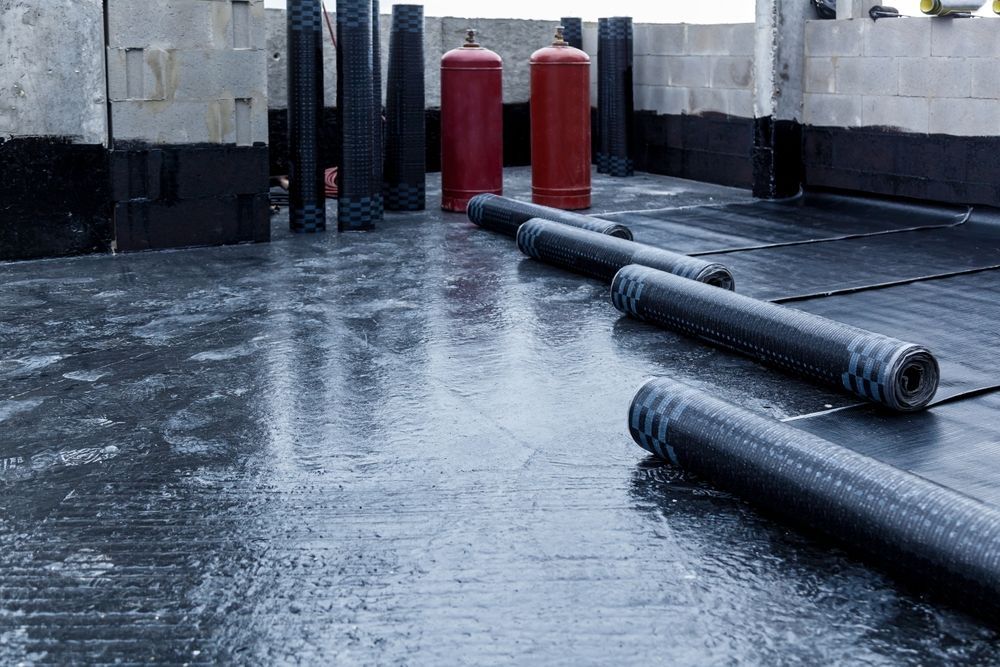
Heavy rain and freeze-thaw cycles cause water to penetrate masonry, siding, stucco, and foundation surfaces, leading to mold growth, cracking, and structural deterioration over time. Waterproofing systems applied by Rhino Shield of Indiana create a sealed barrier that prevents moisture intrusion while allowing vapor to escape, which stops the pressure buildup that causes coatings and substrates to fail. Indianapolis properties face consistent moisture exposure from spring storms, summer humidity, and winter snow melt, all of which accelerate deterioration when exterior surfaces lack proper waterproof protection.
The application process involves cleaning all surfaces to remove dirt, efflorescence, and organic growth, then sealing cracks, joints, and transitions where water typically enters. Once the substrate is prepared and dry, the waterproof barrier is applied in layers to build thickness and ensure complete coverage over porous areas. For masonry and stucco, additional primer coats are used to fill voids and create a uniform surface that accepts the topcoat evenly.
Schedule a moisture inspection to identify areas where water is penetrating your exterior and determine which waterproofing approach suits your property type.
How Advanced Barriers Prevent Long-Term Deterioration
Water intrusion causes substrates to weaken, coatings to delaminate, and organic materials to decay, all of which require expensive repairs if left unaddressed. The waterproof barrier blocks liquid water from entering cracks, seams, and porous surfaces, while its breathable formulation allows interior moisture to escape as vapor, preventing trapped humidity that leads to rot, mold, and spalling in masonry. This dual function is critical in Indianapolis, where seasonal temperature swings cause condensation inside wall cavities and freeze-thaw cycles drive water into small cracks, expanding them into structural problems.
After installation, you'll notice that rain no longer leaves dark stains on masonry, water stops pooling along foundation edges, and surfaces dry quickly after storms instead of remaining damp for days. The barrier also extends the lifespan of any coating applied over it, as moisture is the leading cause of coating failure regardless of substrate type. Rhino Shield of Indiana tailors waterproofing systems to each structure, with commercial buildings, historic homes, and residential properties each requiring different preparation and application techniques.
Waterproofing will not fix cracks that are actively expanding due to foundation movement or structural settlement, and it does not address existing mold or rot that has already formed behind the exterior surface. Those issues require remediation before waterproof barriers can be installed effectively.
Questions Property Owners Have About Waterproofing Systems
Residential and commercial property managers frequently ask how waterproofing differs from standard coatings and what preparation is required for different exterior materials.
What is the difference between waterproofing and regular exterior paint?
Waterproofing systems create a thick, elastic membrane that blocks liquid water while allowing vapor transmission, whereas paint provides minimal moisture resistance and often traps water beneath the surface, leading to peeling and substrate damage.
How does waterproofing protect against Indianapolis freeze-thaw damage?
The barrier prevents water from entering cracks and porous surfaces, eliminating the expansion that occurs when trapped water freezes, which is the primary cause of spalling, cracking, and deterioration in masonry and stucco during winter months.
What preparation is required before applying waterproof barriers?
All surfaces are cleaned to remove contaminants, cracks are routed and filled with flexible sealant, joints are caulked, and any areas with active moisture intrusion are identified and repaired before the barrier is applied.
Can waterproofing be applied to both residential and commercial structures?
Yes, the system is used on homes, office buildings, warehouses, and industrial facilities, with application methods adjusted based on substrate type, building height, and exposure conditions specific to each property.
Why is detailed preparation critical for waterproofing performance?
Poor surface preparation leaves contaminants that prevent adhesion, and unsealed cracks allow water to bypass the barrier entirely, causing the system to fail prematurely and allowing moisture intrusion to continue unchecked.
Rhino Shield of Indiana assesses moisture intrusion points and substrate condition before recommending waterproofing solutions, ensuring the barrier is applied to a stable, properly prepared surface. Arrange a protection assessment to review waterproofing options for your Indianapolis property and discuss long-term maintenance reduction.