Roofs Protected from Heat and Water
Roof Sealing & Reflective Coatings in Indianapolis for properties facing high cooling costs and premature roof deterioration
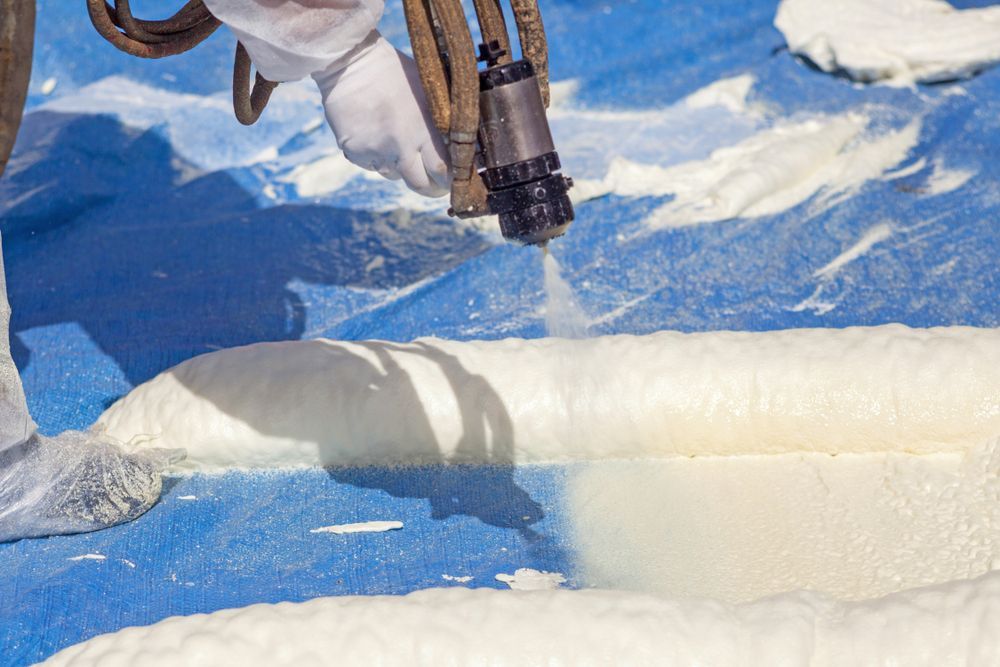
Reflective roof coatings reduce surface temperatures on commercial roofs, flat roofing systems, and metal roofs by reflecting solar radiation instead of absorbing it, which lowers cooling costs during hot Indiana summers and reduces thermal stress on roofing materials. Rhino Shield of Indiana installs these coatings after conducting thorough roof inspections to identify leaks, standing water issues, UV deterioration, and damage from thermal expansion that occurs when roof surfaces heat and cool repeatedly. The coating seals minor cracks and seams, creates a waterproof barrier, and extends roof lifespan by protecting the underlying membrane or substrate from continued weather exposure.
The application process begins with roof cleaning to remove debris, dirt, and organic growth, followed by repairs to damaged areas, flashing adjustments, and preparation of seams or joints that may allow water penetration. The reflective coating is then applied in layers, building thickness and coverage that provide both waterproofing and solar reflectivity. The coating formulation varies based on roof type, slope, and existing membrane condition.
Schedule a roof evaluation to assess your current roof condition and determine energy-saving coating options.
Why Reflective Coatings Lower Operating Costs
Reflective coatings work by bouncing solar radiation away from the roof surface, which prevents heat absorption that raises interior temperatures and forces cooling systems to work harder. On a typical summer day in Indianapolis, an uncoated dark roof surface can reach temperatures exceeding 160 degrees Fahrenheit, while a reflective coating keeps the same surface closer to ambient air temperature. This temperature reduction translates directly into lower energy consumption, less strain on HVAC equipment, and improved comfort in upper-floor spaces or buildings without climate control.
Once the coating is applied, you will notice that your roof no longer develops the standing water puddles or seam separation that leads to leaks and interior damage. The coating fills small cracks and bonds seams together, creating a continuous waterproof layer that prevents moisture from penetrating the roof deck. The reflective surface also stops the UV degradation that causes roofing membranes to become brittle and crack over time, which is a primary failure mode for flat roofs exposed to constant Indianapolis sun.
The coating system is designed for commercial roofs, flat roofing systems, metal roofs, and specialty surfaces where traditional roofing repairs or replacement would be costly and disruptive. It does not replace a roof that has structural damage or widespread membrane failure, but it extends the life of roofs in serviceable condition by five to fifteen years, delaying major capital expenses. The system also reduces ongoing maintenance costs by eliminating the need for frequent patching, sealing, or emergency leak repairs.
Common Roof Coating Questions
Property owners evaluating roof coating options typically want to understand performance expectations and how the system addresses specific roof problems.
What roof types are suitable for reflective coating systems?
Commercial flat roofs with modified bitumen or single-ply membranes, metal roofs on industrial buildings, low-slope roofs with standing seam construction, and specialty surfaces like foam or spray polyurethane roofs all work with reflective coating systems. The roof must be structurally sound with repairable surface damage.
How much does a reflective coating reduce cooling costs?
Energy savings vary based on building insulation, roof size, HVAC efficiency, and interior use, but reductions in roof surface temperature typically lower cooling loads by ten to thirty percent during peak summer months in Indianapolis. Buildings with poor insulation or dark-colored roofs see the greatest impact.
What inspection happens before coating application?
The inspection identifies active leaks, areas of ponding water, deteriorated seams or flashing, membrane damage, and surface contamination that would prevent proper coating adhesion. Repairs are completed before coating begins to ensure the system performs as intended.
How does the coating handle standing water on flat roofs?
The coating creates a waterproof barrier that prevents water from penetrating the membrane, but it does not eliminate standing water caused by poor drainage or structural sagging. Drainage issues should be addressed during the preparation phase to prevent long-term water accumulation that shortens coating life.
Why does reflective coating extend roof lifespan?
The coating blocks UV radiation that degrades roofing materials, reduces thermal expansion and contraction that causes seam failure, and prevents moisture intrusion that leads to deck rot and insulation damage. These protections delay the deterioration process that would otherwise require roof replacement within a few years.
Rhino Shield of Indiana provides detailed roof assessments, identifies necessary repairs before coating, and calculates potential energy savings based on your building's characteristics and roof condition. Arrange a property inspection to receive a comprehensive roof coating recommendation and cost analysis.